
The Tin Whistles History
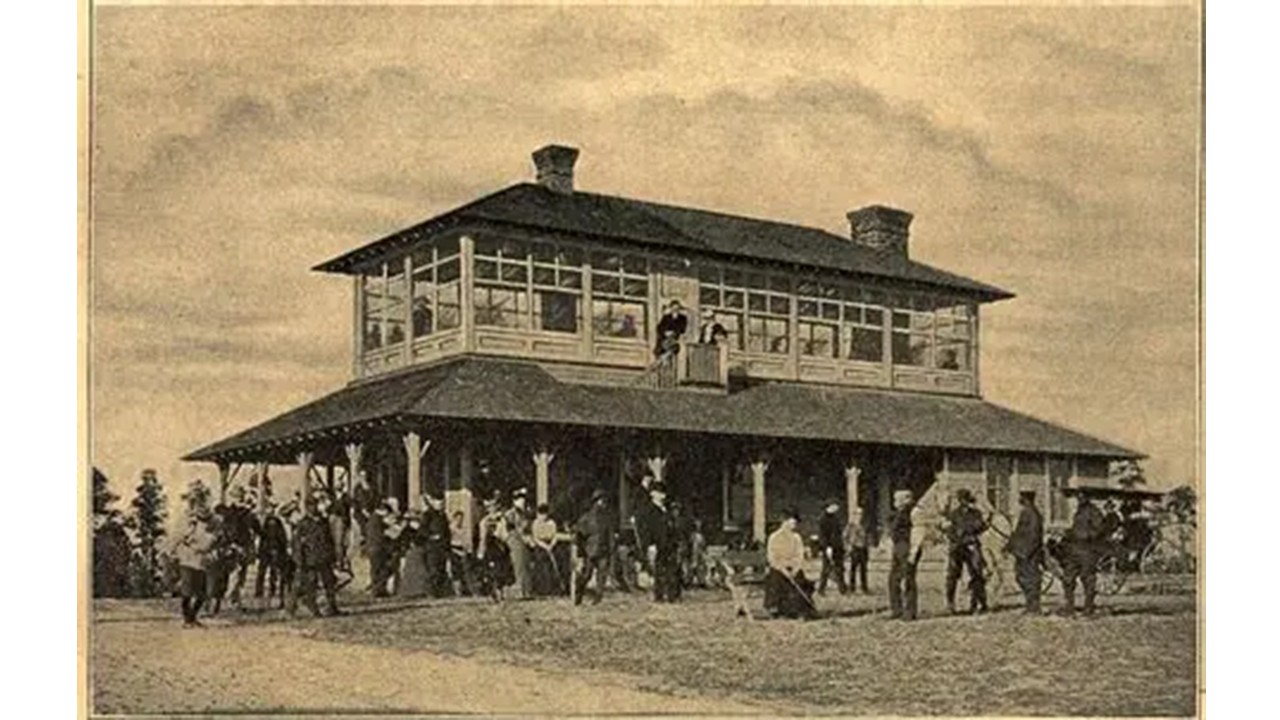
How Golf and The Tin Whistles Came to Pinehurst
While Pinehurst’s neighbor, Southern Pines, is noted more for its equestrian activities than its golf, it really all began there. In the 1850’s Charles Shaw acquired a land grant and began lumbering in that area. Then, in 1876, the Raleigh-to-Augusta railroad came through Southern Pines, making the salubrious, healthy seasonal climate accessible to the northern states. John T. Patrick acquired 675 acres and built a health resort to attract northerners suffering from respiratory ills. By 1887 Southern Pines was a thriving health destination. It was also an ideal place to break the long journey between the northeast and the winter resorts further south along the Georgia and Florida coasts.
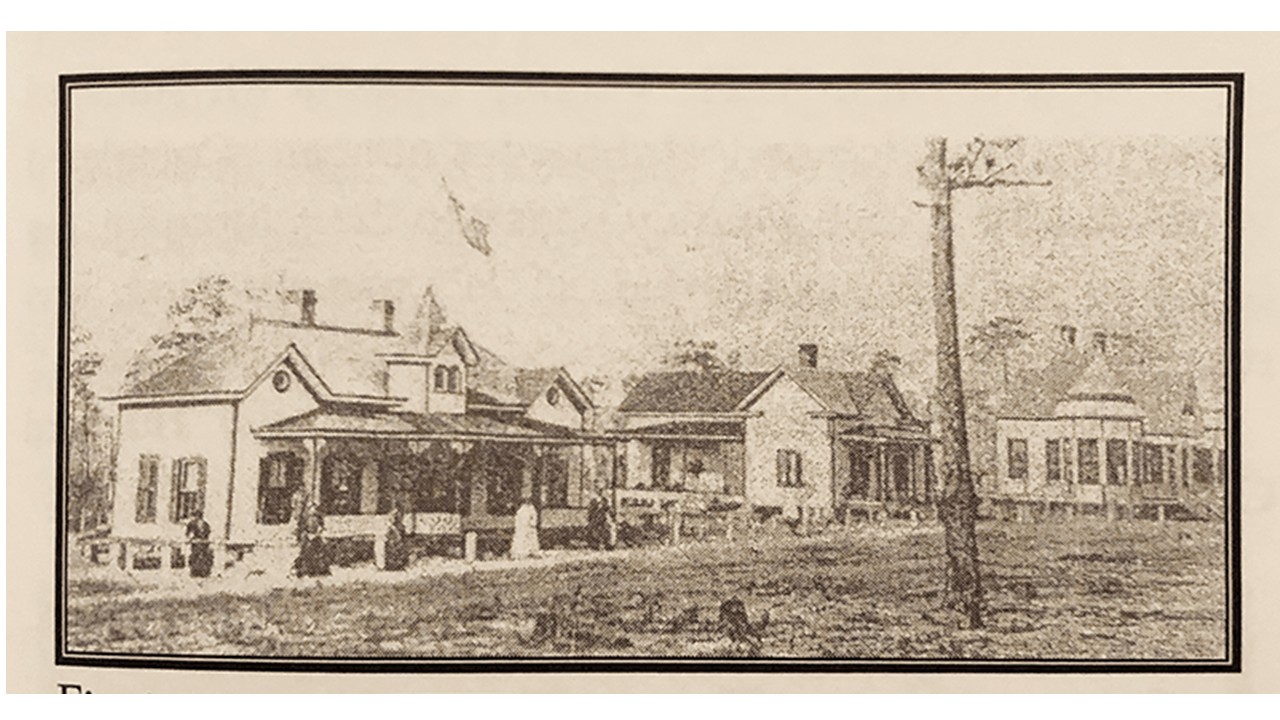
In 1895, Boston industrialist and philanthropist, James Walker Tufts, searched for and eventually purchased land suitable for a seasonal resort in the Southern Pines area, and the rest is well-known history. After acquiring 5000 acres of cut-over timberland in what was to become his private village of Pinehurst, he engaged the famous landscape architect Frederick Law Olmsted, to design a New England village in the heart of the Mid-south. Olmsted ordered the planting of 226,000 trees and shrubs and with his assistant, Warren Manning, laid out a complex maze of lanes and paths resembling the cowpath origins of many old New England villages. They confuse many Pinehurst residents and visitors to this day. Railroad passengers debarked at the Southern Pines station, a mere five miles away and were whisked away to Pinehurst by horse-drawn trolley along what is now Midland Road.
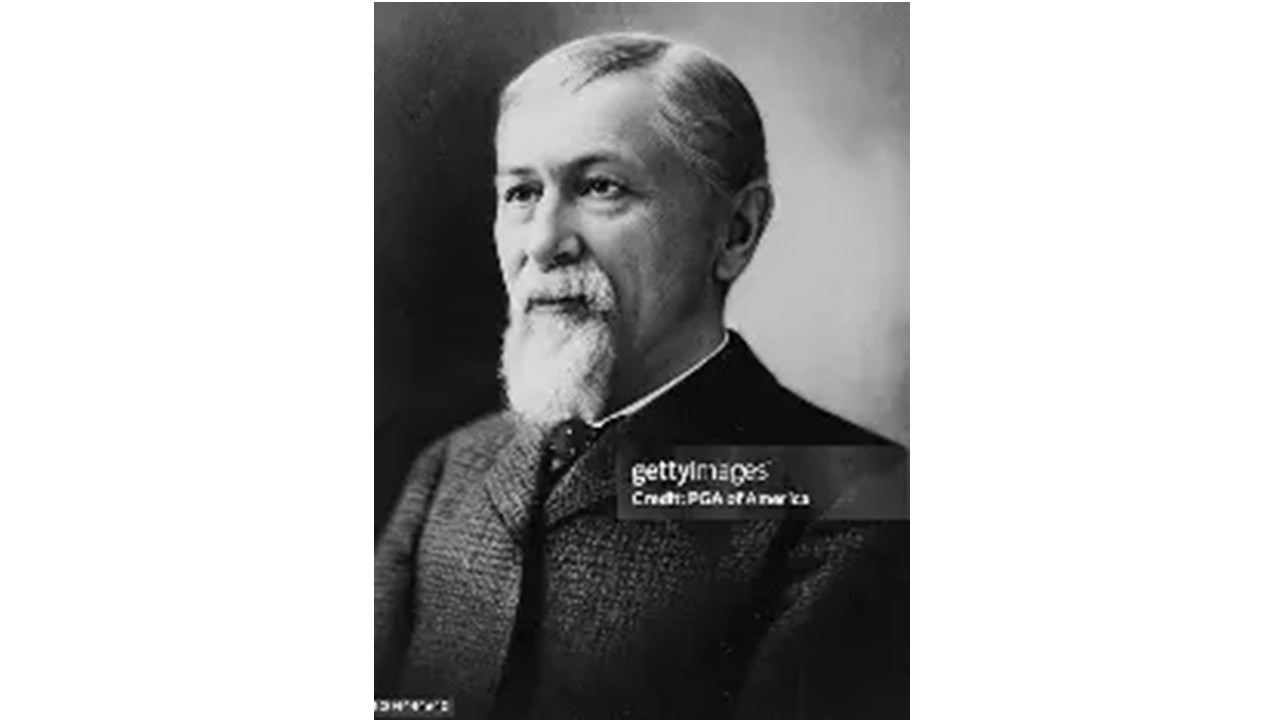
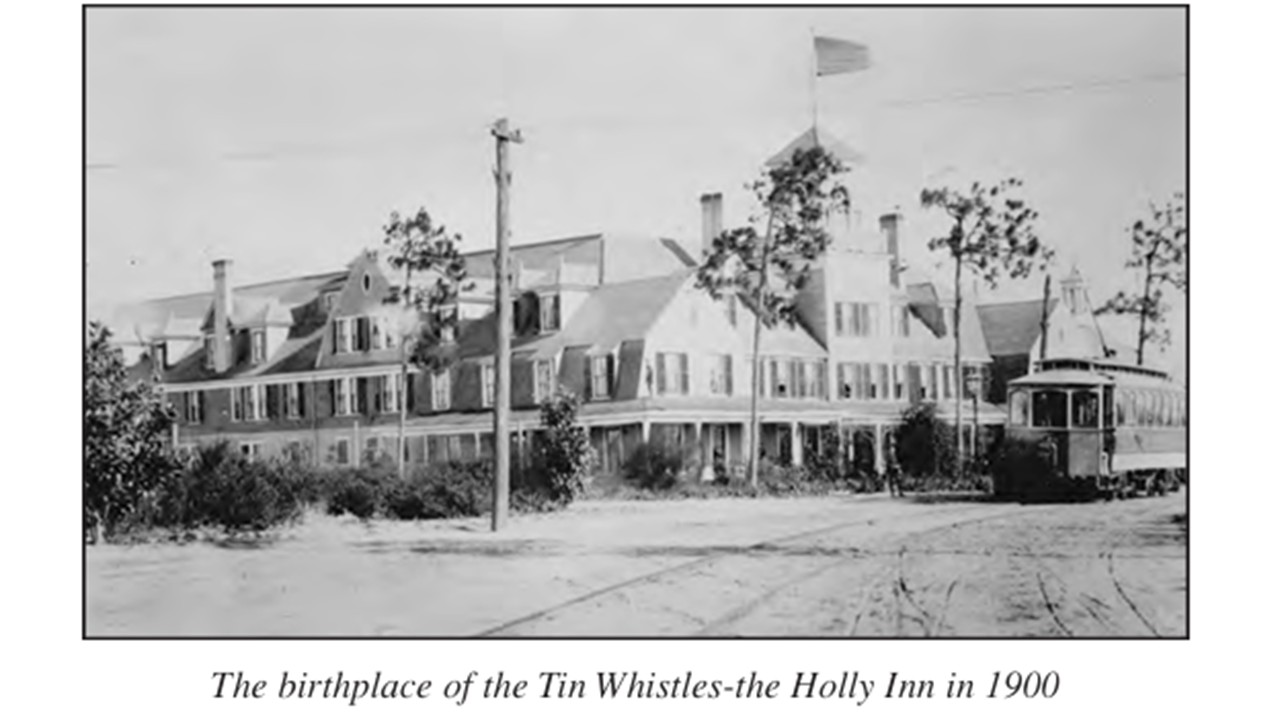
In 1895, the Holly Inn was built and was destined to become the first home of The Tin Whistles a few years later. By 1900, the private village covered ten square miles, had two hotels, fifty cottages, a golf course, and a large shooting preserve, which would in time employ Annie Oakley. By 1900, a Scottish golf professional named Donald Ross was brought to Pinehurst from Dornoch, Scotland by way of Boston. His task was to improve Course No.1, nine holes of which had been laid out in 1897-98 by Dr. D. Leroy Culver of New York City and Southern Pines, and subsequently lengthened to eighteen holes in 1899. By 1903, Donald Ross was a seasonal resident of Pinehurst, had laid out the first nine holes of Course #2, and was serving as the resort’s first golf professional. He was to achieve golf immortality in Pinehurst, and throughout the golf world, for course design.
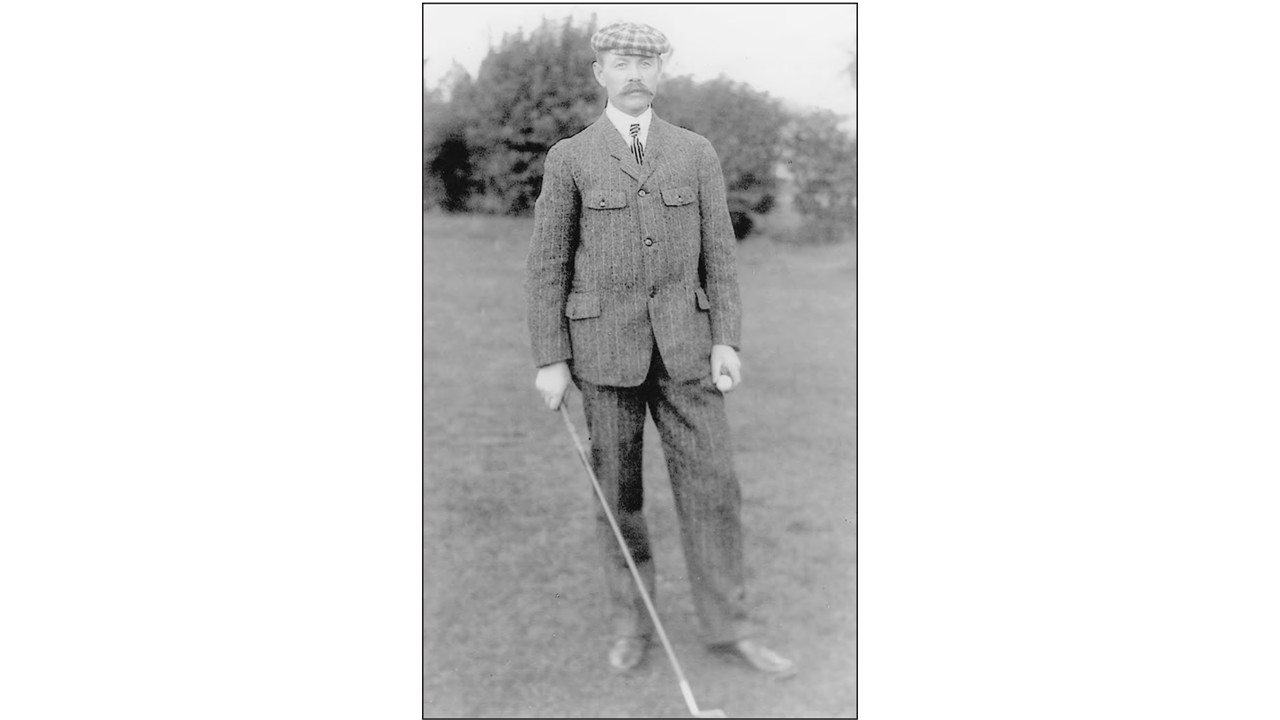
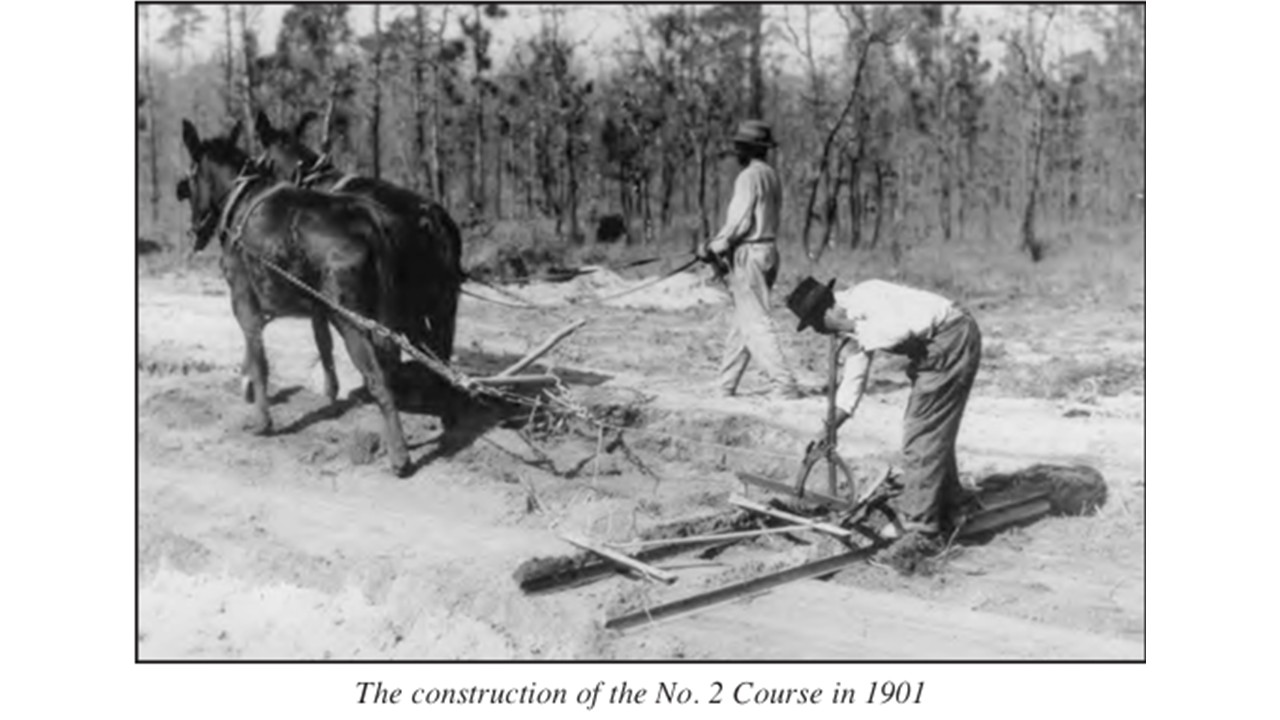
Pinehurst lore says that in the 1890’s seasonal visitors began knocking little white balls around the open spaces and perhaps induced the Tufts to bring Donald Ross down from Boston to establish golf in Pinehurst. As earlier stated, the No. 1 course had been laid out by Dr. Culver in 1897-98 and expanded in 1899. When Ross began to lay out No. 2 in 1901, Pinehurst was on the way to take its place as the fountainhead of amateur golf in this country, as it remains today, more than a century later. Those seasonal visitors who were to form themselves into the group calling themselves the Tin Whistles were undoubtedly instrumental in bringing golf to Pinehurst. They were, however, here to have fun and play golf, not to make golfing history. In a very dry county in a dry state in a mostly dry country, they certainly constituted what passed for a “sporting crowd” in a little rural village where drinking, even in moderation, was viewed as a matter of morality, and strictly frowned upon by the Tufts family in any public area under their ownership.
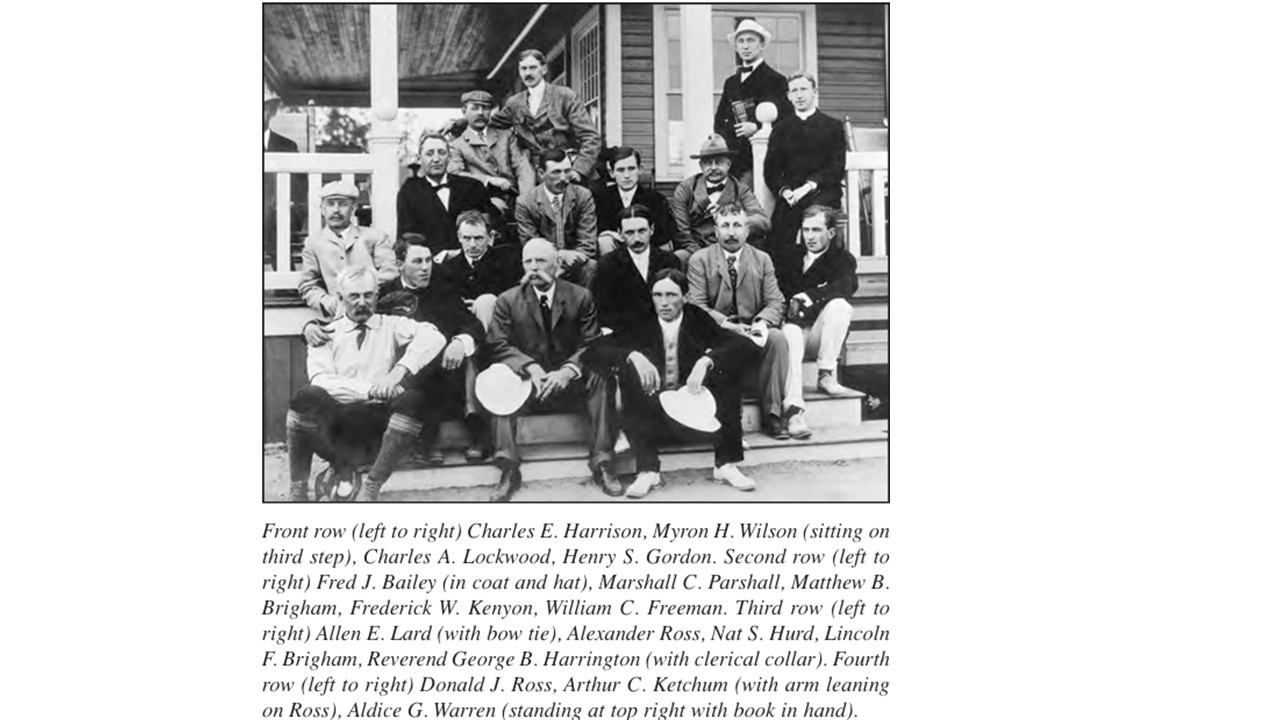
By 1904, with two Pinehurst courses in play, a dozen or so of those fun-loving golfers were accustomed to meeting in someone’s room at the Holly Inn for a convivial round of drinks and companionship after a day of golf. Indeed, those gatherings after a round of golf may have been the beginning of the “nineteenth hole” tradition. During one of those post-golf sessions at the Holly, probably in January 1904, it was decided that some form of organization would be appropriate to cement their budding companionship. No doubt, their incompatibility with the moral structure of the very dry village also served to promote their fellowship. After a false start at a name, the “Wow Wows”, they settled on the name of “Tin Whistles”, which happened to be the name of a gang of toughs in New York City associated with the corrupt Tammany Hall. The name was something of a joke, meant to raise eyebrows. The joke carried with it a suggestion of revolt against the social strictures of the age. Shown below are the founding members of The Tin Whistles, 1904.
The Tin Whistles
We Make a Difference
An organization that the enhances lives through tradition, the love of golf and community connections